How Home Renovations Can Affect the Air You Breathe
When considering home improvements, many people overlook how renovations can impact indoor air quality. Understanding these effects is crucial for homeowners who want to maintain a healthy living environment. Poor air quality can lead to health issues such as allergies, asthma, and other respiratory problems. The key is to know how different factors, like dust and chemicals, play a role in your home’s air quality during and after renovations.
Understanding Indoor Air Quality Changes
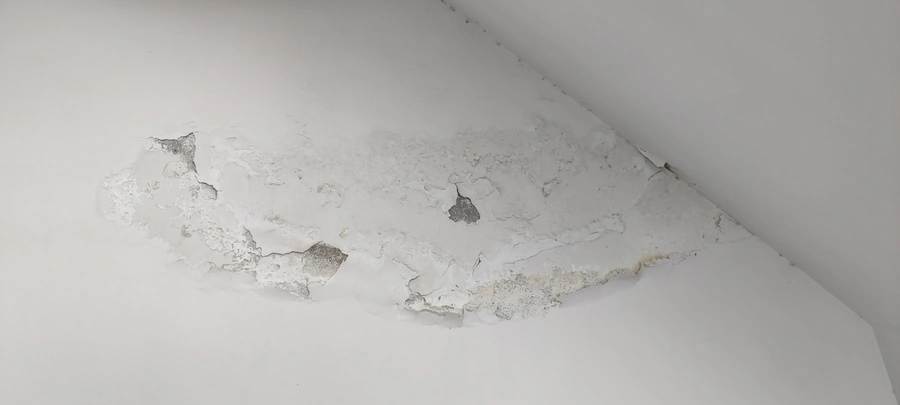
Renovations often release dust and particles into the air, which can affect air quality inside your home. During drywall repair, for instance, fine dust particles from sanding can linger in the air long after the work is completed. These particles are small enough to be inhaled deeply into the lungs, leading to possible health issues over time. Proper ventilation and cleanup are essential to minimize this risk.
Benefits of Maintaining Good Air Quality
Maintaining good indoor air quality offers several benefits. A clean air supply reduces health risks associated with prolonged exposure to dust and harmful substances. It also ensures a comfortable living environment free from odors and pollutants. Moreover, homes with better air quality often have higher property values, providing a return on investment when selling.
Common Challenges in Keeping Air Clean During Repairs
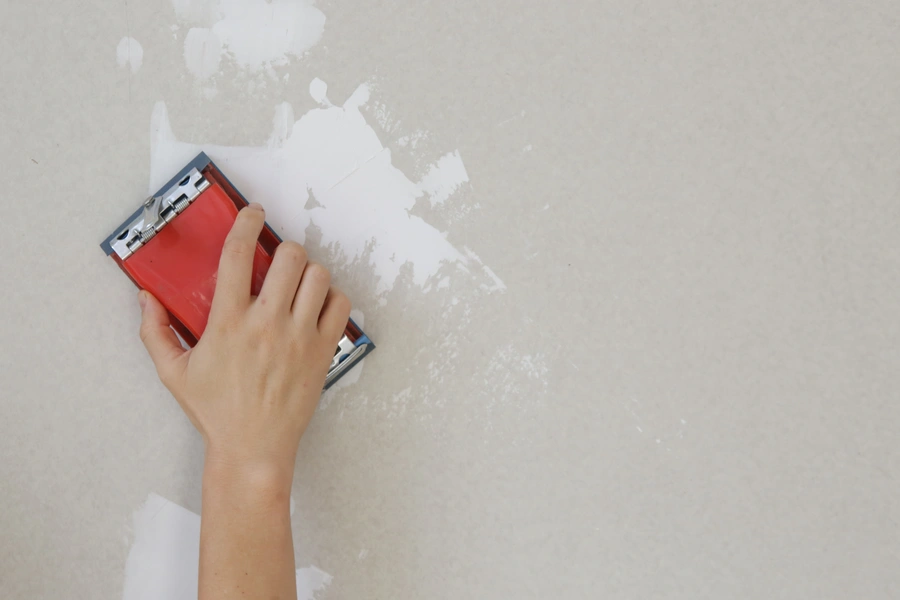
Keeping indoor air clean during renovations presents several challenges. The process of drywall repair not only releases dust but may also involve using products that emit volatile organic compounds (VOCs). VOCs are chemicals found in paints and sealants that can evaporate into the air, causing headaches or dizziness. Identifying these challenges allows homeowners to prepare appropriately.
Effective Solutions for Better Air Quality
Tackling air quality issues requires strategic planning and execution. Start by choosing low-VOC products whenever possible. Ensure the workspace is well-ventilated by opening windows or using exhaust fans to remove airborne particles effectively. After completing the repairs, a thorough cleaning session helps eliminate any residual dust or debris left behind.
Best Practices for Healthy Renovations
To safeguard your indoor air quality during renovations, consider following these best practices:
- Select eco-friendly materials that emit fewer pollutants.
- Use drop cloths to contain dust within the renovation area.
- Invest in a high-efficiency particulate air (HEPA) filter vacuum cleaner.
- Schedule regular breaks to allow for airing out the room.
Navigating Industry Standards and Requirements
Industry standards exist to guide safe renovation practices. Following these regulations ensures both compliance and safety. For example, contractors should adhere to Occupational Safety and Health Administration (OSHA) guidelines regarding protective gear and ventilation systems. Being informed about such standards helps make informed decisions that prioritize health and safety.
Cost Considerations Related to Air Quality Maintenance
Maintaining air quality during renovations might seem costly initially but proves economical in the long run. Investing in proper equipment, such as air purifiers and protective barriers, prevents potential health costs related to poor air conditions. Additionally, the marketability of a healthier home may increase its value.
Your Guide to Cleaner Renovations With Us
For those planning home improvements in Graham, WA, maintaining air quality is crucial. At Eagles Drywall Inc., we specialize in creating healthier environments through thoughtful renovation practices. Call us at (253) 202-6354 for expert advice on achieving optimal indoor conditions. Together, we’ll ensure your project aligns with industry standards while prioritizing your family’s well-being.